

Back to College Shopping List 2026: The Complete Parent’s Buying Guide
Every August, the same thing happens. A parent stands in the middle of a big-box store with a cart and a printout from the internet, and they feel completely overwhelmed. The list is three pages long. Half the items are things they have never heard of. The other half seem redundant. And somewhere in the parking lot is a minivan already packed to the roof.
I have been there. After years of helping parents navigate freshman move-in, I can tell you what actually gets used in a dorm room and what ends up stashed under the bed and eventually shipped home. This guide cuts through the noise. It is organized by category, focused on the items that earn their trunk space, and designed to help you shop smart before the back-to-school rush drives up prices and depletes stock.
If you are reading this in June or early July, you are in the sweet spot. The best twin XL mattress toppers sell out by late July. Shipping direct to campus means one less thing to haul on move-in day. Start here, work through the sections, and add what fits your student’s specific school and situation.
Set your student up with Prime for Young Adults first
Students and 18 to 24 year olds get Amazon Prime free for 6 months, then half price, plus limited-time 5 percent cash back on categories like electronics and personal care. Most of what is on this list ships to campus anyway, so have your student sign up on their own account before the ordering starts.
See if your student qualifies
How it works for parents
Affiliate link. UniversityParent may earn a commission if your student signs up, at no cost to you.
The Bedroom
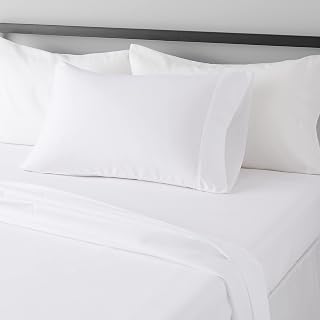
The dorm bed is where your student will spend a third of their semester, so this is not the place to cut corners. Most dorms use extra-long twin mattresses, which require specific bedding you probably do not already own. A good mattress topper is the single highest-impact purchase on this entire list. Dorm mattresses are thin, plastic-covered, and uncomfortable — a 2- or 3-inch memory foam or gel topper transforms the sleep situation completely.
Pack two sets of twin XL sheets so your student can swap them on laundry day without sleeping on a bare mattress. A lightweight down or synthetic comforter works in most dorms, where temperatures are regulated inconsistently. Bring one good pillow, two if they tend to stack them.

Standard twin sheets are several inches too short and will pop off the corners constantly. Every piece of bedding must be labeled Twin XL.
One email a week, for parents doing this right now
The deadlines, checklists, and conversation scripts that actually matter at each stage of the year. Free, and you can unsubscribe anytime.
Looking for the free toolkits? They are on our resources page, no email required.
The Bathroom
Shared bathrooms require a completely different approach to personal hygiene than anything your student has dealt with before. Everything needs to travel with them every single time. The shower caddy is not optional. Neither are the shower shoes.
Look for a hanging shower caddy with drainage holes rather than a solid plastic basket — the solid ones trap water and grow mildew within a week. Shower shoes should be water-resistant and easy to slip on. A zippered toiletry bag keeps everything contained at the sink when counter space is shared.


Desk and Study Setup
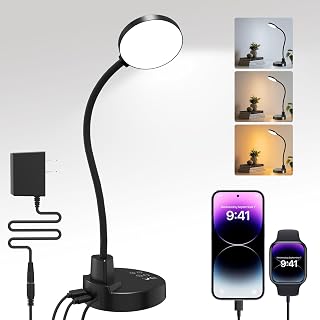
Most dorm desks are functional but basic — a flat surface, a chair, maybe a shelf. Your student will spend many late nights there, so a few additions make a real difference. A good LED desk lamp is essential for studying when a roommate is sleeping. Look for adjustable brightness and color temperature.
A surge protector power strip is non-negotiable. Dorm rooms typically have two or three outlets in inconvenient spots. Most schools require surge protection specifically — a plain extension cord may violate the housing agreement. A lap desk helps when they are working from the bed, which will happen constantly.

Tech Essentials
Your student is bringing a laptop — that is the major tech purchase. What surrounds it matters too. A laptop stand raises the screen to eye level, reducing neck strain during long sessions. A sleeve protects it in a backpack. A portable charger is a semester-saver when they are in back-to-back classes with no open outlets nearby.
Headphones deserve real budget. Dorm rooms are loud, always. Over-ear wireless headphones that block ambient sound help your student actually focus. Earbuds work for walking campus, but a dedicated study pair makes a noticeable difference during finals week.


Storage and Organization
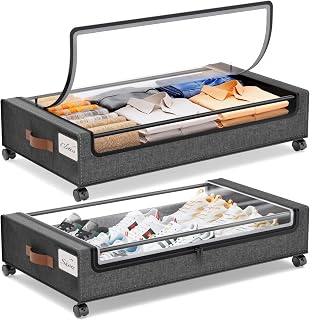
Dorm rooms are small — much smaller than they look in the housing photos. The bed is usually loftable or can be raised on risers, which creates valuable under-bed space. Under-bed rolling bins are one of the highest-return purchases on this list. An over-door organizer adds storage without taking up any floor space. A hanging closet organizer doubles vertical storage instantly.
Command strips and hooks are essential. Most dorms prohibit nails and screws. Command products let your student hang things without damaging walls, and remove cleanly at move-out. Buy more than you think you will need — they go on everything.


Laundry
Laundry in college works completely differently than at home. Your student carries their laundry to a shared laundry room, washes it with quarters or a card, carries it back, and ideally folds it. A durable laundry bag with handles is much easier than a basket, especially when the laundry room is on a different floor. Detergent pods eliminate the mess and measuring problem. Dryer sheets prevent static. A small collapsible drying rack handles delicates and athletic wear that cannot go in the dryer.

The 5 Things Most Parents Forget
These are not glamorous. They will not show up on aesthetic dorm room Pinterest boards. But every year, at least one of these is the first thing a college student texts home about in September.
- A basic first aid kit. Headaches, blisters, cuts, allergic reactions — these happen without warning. A small kit with bandages, pain reliever, antihistamine, and antacid covers 90 percent of the minor health situations a freshman encounters before finding the campus health center.
- A robe. Walking from the dorm bathroom to their room wrapped in a towel gets old within the first week. A lightweight cotton or microfiber robe solves this immediately. Especially important in co-ed dorms.
- Shower flip flops (again, seriously). I mentioned these in the bathroom section and I am mentioning them again because they are the item parents most frequently skip and students most urgently request. Shared showers are shared showers.
- A power strip with USB-C, not just USB-A. Most new laptops, phones, and tablets charge via USB-C. A surge protector with only USB-A ports will feel outdated immediately. Spend a few extra dollars for one with both.
- A small toolkit. A mini screwdriver set, a small hammer, and picture-hanging strips. Beds need adjusting, shelves need assembling, and something always needs tightening on move-in day. The parent who brings a toolkit will be very popular in the residence hall that morning.
What to Skip Until They Are There
This section will save you trunk space and possibly some money.
Skip the mini fridge until you know if they need it. Many dorms provide one, roommates often share one, and some restrict them entirely. Check with housing before buying. If they need one, Amazon delivers to campus in two days. Not worth hauling a fridge that turns out to be unnecessary.
Skip extra furniture. Futons, bean bags, side tables, extra bookshelves — these sound great in theory. In practice, dorm rooms are tiny, and your student has not seen their actual room yet. Wait until move-in day, assess the space, then order anything extra.
Skip the printer. Campus libraries have printers. Printing from a phone is easy. A personal printer takes up space, needs ink, and creates friction when the roommate assumes it is communal. Let the school handle this one.
Skip buying consumables in bulk. Toiletries, cleaning supplies, snacks — all can be purchased near campus once they are settled. Ship consumables after move-in when they know what they actually go through.
Buy on Amazon, Ship Direct to Campus
Tip: Ship Directly to the Dorm
Most colleges assign a dorm mailing address before move-in day. Check your student’s housing portal and ship heavier or bulkier items — mattress topper, storage bins, power strip — directly to campus. Amazon Prime delivers to most dorm addresses, and you save trunk space for clothes and personal items. Just confirm someone will be there to receive packages, or ship to the campus mail room address.
For a complete room-by-room packing checklist you can customize by school and climate, use our free Dorm Packing List tool — it lets you check things off as you shop. And if you are still looking for graduation or move-in gifts, our Graduation Gifts and Dorm Essentials guide covers 20+ parent-tested picks at every price point.
Frequently Asked Questions
When should I start buying back-to-college items?
Start in June or early July. Twin XL mattress toppers, desk lamps, and storage bins from popular brands sell out by late July, and prices rise during the back-to-school rush in August. Ordering early also gives you time to return or exchange without deadline pressure.
What bedding size do dorm beds use?
Almost all dormitory beds are Twin XL — 38 inches wide by 80 inches long, five inches longer than a standard twin. Standard twin sheets will not fit and pop off constantly. Every piece of bedding you buy should be labeled Twin XL specifically.
Does my student need a mini fridge?
Not necessarily, and not before you know the situation. Some dorms provide one, some roommates split the cost, and some dorms restrict them. Check the housing agreement first and wait until after move-in to decide. If they need one, it can be delivered within days.
Are there items dorms commonly do not allow?
Yes, and the list varies by school. Common prohibited items include: candles, incense, hot plates and open-coil appliances, space heaters, extension cords without surge protection, and certain cleaning chemicals. Check the specific housing handbook before buying any appliance.
Should I buy everything before move-in or wait?
Buy the non-negotiables before move-in: bedding, bathroom kit, desk lamp, surge protector, storage bins. Wait on anything that depends on the actual room layout — extra furniture, decorative items, appliances. You can always order from Amazon once you have seen the space.