

First Aid Kit for College Students (2026)
You cannot be there when your student wakes up sick at 2 a.m. The right supplies make the difference between a student who takes care of themselves and one who texts you in a panic. Here is what to pack, why it matters, and which products are worth the money. This guide covers every essential in a first aid kit for college students, built from what parents and campus health advisors actually recommend.
Related: College Dorm Packing List
Quick summary
- First Aid Kits FSA/HSA Eligible
- Thermometers FSA/HSA Eligible
- Medication Storage
- Cold and Heat Therapy
- Extras Most Checklists Miss
- Four Things Worth Doing Before Move-In
- Register with the Campus Health Center Before Arrival
- The Parent Peace-of-Mind Bundle
- Sources
Affiliate disclosure: UniversityParent earns a commission from qualifying purchases made through links on this page, at no extra cost to you. Recommendations are based on independent research and American Red Cross guidelines. We do not charge brands for inclusion. Many items on this page are FSA/HSA eligible.
Campus health centers are useful, but at many institutions they operate on limited hours and require an appointment. A well-stocked health kit means your student can handle a sprained ankle, a fever assessment, or an unexpected allergic reaction before deciding whether to head to the clinic. It also means they have what they need to follow through on whatever the clinic tells them to do.

This guide covers three categories: a first aid kit for wound care and structural injuries, a thermometer for making the “is this a clinic visit or not” call, and a medication organizer to store prescriptions and over-the-counter supplies in a way that actually works in a 130-square-foot dorm room. For what to pack for your student’s full sleep setup, see our organic dorm bedding guide.
Packing the kit is the easy part. The harder, more protective prep is the talks. See the conversations to have with your college student before they leave, from drinking and fentanyl to the one promise that gets them to call you.
First Aid Kits FSA/HSA Eligible
A dorm first aid kit should focus on the injuries that actually happen on campus: cuts and abrasions from athletic or outdoor activity, ankle sprains, blisters from walking a large campus in new shoes, and burns from a residence hall kitchen or communal appliance. It does not need to be a trauma kit, but it should be fully stocked to handle wound care without a pharmacy run.
The American Red Cross recommends that any portable first aid kit include waterproof bandages in multiple sizes, sterile gauze pads, antiseptic wipes, antibiotic ointment, hydrocortisone cream, medical tape, tweezers, and an instant cold pack as core items. Pre-assembled kits are typically more cost-effective than building from scratch, and several are designed specifically for the college context.

Top Pick
DormDoc 175-Piece Emergency First Aid Kit for College Students
~$28-35
- 175 pieces covering wound care, burns, sprains, and blisters
- Compact carry case fits a dorm closet shelf or desk drawer
- Includes instant cold pack, medical shears, and tweezers
- Contents align with American Red Cross recommended item list
- FSA/HSA eligible at checkout
Assembled specifically for the college context, not a generic household kit. The instant cold pack and medical shears are absent in many cheaper alternatives and are the items most needed for sports and activity injuries.

Brand Pick
American Red Cross Deluxe All-Purpose First Aid Kit
~$25-40
- Assembled by the American Red Cross
- Organized interior with labeled compartments
- Includes a First Aid Guide booklet
- Hard case resists crushing inside a packed bag
- FSA/HSA eligible at checkout
The Red Cross name carries real weight when a student is trying to figure out whether a wound needs stitches. The included First Aid Guide booklet is a genuine resource, not packaging filler.
One email a week, for parents doing this right now
The deadlines, checklists, and conversation scripts that actually matter at each stage of the year. Free, and you can unsubscribe anytime.
Looking for the free toolkits? They are on our resources page, no email required.
Thermometers FSA/HSA Eligible
A thermometer is the single most useful diagnostic tool a student can have in a dorm. The decision students face when they feel sick is almost always the same: is this a rest-and-fluids situation, or does it require a clinic visit? A temperature above 103°F (39.4°C), any fever that does not come down with Tylenol or Advil, or symptoms that worsen after 48 hours are situations that require a provider. Without a thermometer, students guess. Pack fresh batteries alongside it so it is ready when needed.
For dorm use, digital oral or underarm thermometers are the most reliable option for self-administered readings. Forehead and temporal artery scanners are faster and contactless, but they require consistent technique to be accurate and can read low in a cold room. Both types work well when used correctly. The key is picking the one your student will actually use.

Easiest to Use
iHealth No-Touch Forehead Thermometer
~$20-30
- Results in 1 second, no contact required
- Large LED display readable in the dark
- Fever alert with color-coded indicator
- FDA cleared, CE marked
- FSA/HSA eligible at checkout
The color-coded fever alert means a student does not need to remember the exact threshold. One button, one second. Best choice for students who will actually use it because it requires no technique to operate correctly.

Most Accurate Pick
Vicks ComfortFlex Digital Thermometer (Oral/Rectal/Axillary)
~$12-18
- Oral or underarm reading in 8-10 seconds
- Fever InSight color-coded display
- Memory recall stores last reading
- Flexible tip reduces breakage risk
- FSA/HSA eligible at checkout
Oral readings are more consistent across different environments than forehead scans and do not require proximity to a power source. Pack two replacement AAA batteries alongside it.
Medication Storage
Most dorm rooms offer limited surface space, making loose bottles of Advil, Tylenol, allergy medication, and vitamins scattered across a desk both a space problem and a safety problem. A consolidated medication organizer keeps everything in one visible location, reduces the chance of double-dosing, and makes it easy to see when something is running low before it runs out entirely.
Two separate items are worth buying: a compact cabinet or case for bottled medications and supplements, and a weekly pill organizer for daily prescriptions, vitamins, or supplements. They solve different problems. The cabinet handles inventory; the weekly organizer handles the daily routine. For students managing a chronic condition or daily prescription, both are useful. For students without daily medications, the cabinet alone is sufficient.

Best for Full Inventory
Stackable 3-Tier Clear Medicine and First Aid Organizer
~$18-28
- Clear panels let you see contents without opening
- 3 tiers fit full-size OTC bottles upright
- Stackable and separable as storage needs change
- Compact footprint for desk or closet shelf
The clear construction is the functional feature here. A student who can see that their Advil supply is running low will replace it before they need it. Opaque organizers remove that visual cue entirely.
Best for Daily Prescriptions
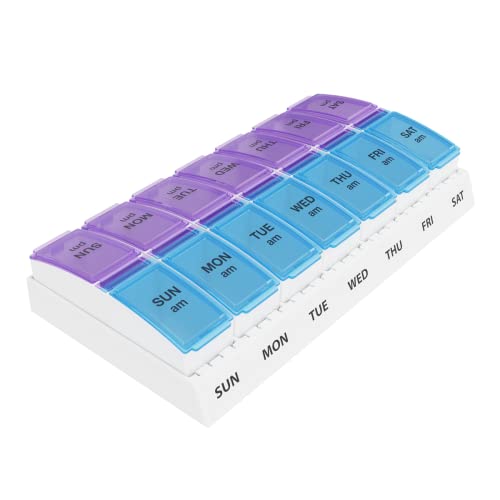
7-Day AM/PM Weekly Pill Organizer with Removable Compartments
~$12-18
- Separate AM and PM compartments for each day
- Individual day compartments detach for on-the-go use
- Translucent lids let you see contents at a glance
- BPA-free plastic, easy to clean
If your student takes a daily prescription, an ADHD medication, or any supplement with a consistent schedule, this is the most effective tool for preventing missed doses. The removable daily compartments mean they can pocket Monday’s pills without carrying the entire week.
OTC Medicine Checklist: What to Pre-Stock Most Items FSA/HSA Eligible
Pre-stock the organizer before your student leaves so they have the basics on hand from day one. Standard OTC medications are significantly more expensive at campus convenience stores and are not always available nearby when someone is sick in the evening.
- Ibuprofen (Advil, generic)
- Acetaminophen (Tylenol, generic)
- Antihistamine (Zyrtec or Claritin)
- Decongestant (Sudafed, behind the pharmacy counter)
- Cough suppressant (dextromethorphan, single ingredient)
- Expectorant (Mucinex, guaifenesin)
- Saline nasal spray
- Vapor rub (Vicks VapoRub)
- Anti-diarrheal (Imodium)
- Antacid (Tums) and anti-gas (Gas-X)
- Motion sickness tablets (Dramamine)
- Throat lozenges
- Electrolyte packets (Liquid IV, Pedialyte)
- Melatonin (if your student uses it)
- Daily vitamins (as applicable)
- Extra prescription supply (2-4 weeks ahead)
Write the expiration date and dosage instructions directly on each bottle with a Sharpie before packing. Most students will not check a package insert when they feel ill.
Skip the all-in-one cold medicines
Products labeled “daytime/nighttime” or “cold and flu” usually bundle three or four drugs into a single dose, and most of them contain acetaminophen. That is where students get into trouble: they take a combination product for congestion, then add a Tylenol for the headache, and stack two doses of acetaminophen without realizing it. Acetaminophen overdose is a leading cause of acute liver injury in the United States. Single-ingredient medicines let your student treat only the symptom they actually have and make an accidental overdose far less likely. If you do send a combination product, write “contains acetaminophen, do not add Tylenol” on the box.
Cold and Heat Therapy
Sprains, headaches, and sore muscles come up constantly in a dorm, and most students have no ice tray and no real freezer access beyond a mini fridge’s tiny top shelf. The checklist above calls for cold packs generally. Here are the two that actually work for that setup.

Best for On-the-Spot Relief
Instant Cold Packs, 6 Pack
~$10
- No freezer needed, activates by snapping and shaking the pack
- Sized for a sprained ankle, a headache, or a swollen knee
- Disposable, so there is nothing to wash or return to a freezer
- Six packs cover a full school year of minor sprains and bumps
This is the pack for a rolled ankle after intramurals at midnight, when the mini fridge freezer is full of frozen waffles and there is no ice maker down the hall.

Best for Repeat Use
Reusable Hot and Cold Gel Pack
~$15
- Works from the freezer for swelling or the microwave for cramps and tight muscles
- Flexible gel conforms to a knee, shoulder, or lower back
- One pack replaces both a single-use cold pack and a heating pad
- Machine washable cover on most versions
The better buy for anything ongoing: menstrual cramps, a tight back from a dorm mattress, or soreness that outlasts the disposable packs above.
Extras Most Checklists Miss
The items above cover what most parents already expect. These are smaller, less obvious additions that come up constantly in a dorm environment specifically: shared bathrooms, new walking shoes, dining hall food, and a semester of irregular sleep.
| Item | Why It Matters in a Dorm | |
|---|---|---|
| Electrolyte drink mix | Faster rehydration than water alone for a hangover, a stomach bug, or a hard workout, and easier to keep stocked than sports drinks. | Shop |
| Moleskin blister pads | New shoes plus miles of walking a large campus cause blisters that a standard bandage does not prevent. Moleskin stops them before they start. | Shop |
| Antifungal cream | Shared dorm showers make athlete’s foot and similar fungal issues common. Almost no basic first aid kit includes one. | Shop |
| Sterile saline wound wash | Gentler than alcohol wipes for cleaning a scrape, and doubles for a minor eye or nasal rinse. | Shop |
| Anti-gas chewables | Dining hall food and late-night delivery cause more bloating and gas complaints than almost anything else in a first semester. | Shop |
| Fingertip pulse oximeter | Gives a student an actual number to text you when they feel off with a cold or the flu, instead of a guess about whether it is worth a clinic visit. | Shop |
| Anti-chafe balm | Constant walking, a heavier backpack, and new workout habits cause chafing that ointment does not prevent as well as a dedicated balm. | Shop |
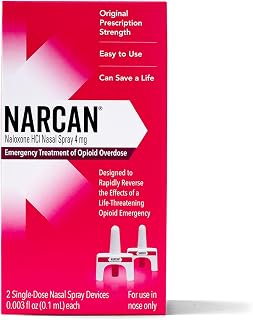
Naloxone (Narcan): why some parents pack it
Naloxone, sold over the counter as Narcan, is a nasal spray that can reverse an opioid overdose in minutes. It has been available without a prescription since 2023 and now sits on the shelf at most pharmacies. Packing it is not a comment on your student’s choices. The reasoning is the same as keeping a fire extinguisher in the kitchen: not because you expect a fire, but because the few minutes it buys can save a life, often someone else’s.
Counterfeit pills laced with fentanyl have turned up on campuses across the country, and a student who can recognize an overdose and use Narcan can keep a roommate or a stranger alive until help arrives. Naloxone only acts on opioids, so it does no harm if it is given to someone who has not taken any. Store it somewhere findable rather than buried in a drawer, and make sure your student knows it is there and how to use it: spray it in one nostril, call 911, and stay with the person.
Sexual health supplies
This can feel like an awkward thing to pack, but doing so quietly ahead of time gives your student practical options if they’re ever needed. A small supply of condoms costs little and helps protect against both pregnancy and sexually transmitted infections (STIs). Emergency contraception (the morning-after pill, sold over the counter as Plan B and cheaper generics) is also worth having on hand, because it works best within the first 24 to 72 hours, a window that rarely lines up with pharmacy hours or a long drive home.
Many campus health centers also provide these supplies confidentially and at low or no cost, but having a small supply on hand removes a barrier when timing matters.
If your student takes a birth control pill, ask their provider about a 6- to 12-month supply, which many insurance plans now allow. One important reminder: hormonal methods (pills, patches, IUDs, implants) prevent pregnancy but do not protect against STIs, so condoms still matter.
Four Things Worth Doing Before Move-In
-
Label everything with expiration datesWrite the expiration date on the outside of every bottle and on the first aid kit case with a Sharpie before you pack it. Students generally will not check expiration dates on their own, and expired medication is either less effective or, in some cases, potentially harmful.
-
Use your FSA/HSA accountFirst aid kits, thermometers, bandages, antiseptic, cold packs, and most OTC medications are FSA and HSA eligible. If you have a flexible spending account, buying these items through it reduces your out-of-pocket cost (the reduction approximates your marginal federal tax rate, typically 22-32% for most families, though state taxes and account rules vary). Look for the FSA Eligible filter on Amazon when searching.
-
Check your student’s campus health plan before packing prescription extrasMany universities require students to register with the student health center before they can fill prescriptions locally. Help your student complete this before they arrive, and confirm their pharmacy coverage applies near campus. Arrange a 30-90 day supply of any daily prescription before move-in so they have time to set up the local system without running out.
-
Know when to tell them to go to the clinicTemperature above 103°F (39.4°C), any fever lasting more than three days, symptoms that worsen after 48 hours of rest and OTC treatment, difficulty breathing, chest pain, or signs of an allergic reaction (hives, swelling, throat tightening) require a provider visit or emergency care. Having this conversation before they leave is more effective than trying to have it while they are sick and resistant.
Register with the Campus Health Center Before Arrival
Most student health centers require pre-registration before a student can be seen as a patient. This typically includes submitting immunization records, insurance information, and any existing prescription or medical history. Doing this before move-in means your student can make an appointment on day one of an illness without being turned away for missing paperwork.
Items to complete before move-in:
- Submit all required immunization records (meningitis vaccination is required at many schools, though requirements vary by state and institution, so confirm yours)
- Register your student insurance or enroll in the school’s health plan if needed
- Upload current prescription information and pharmacy preferences
- Add the campus health center number to your student’s phone contacts
- Locate the nearest urgent care facility off-campus for nights and weekends
The specific registration process varies by institution. Search “[University name] student health center registration” for the direct link. Most handle paperwork through an online portal. For more on navigating health decisions at college, see our Health and Legal guide series.
If your student is a college athlete
NCAA athletes are responsible for everything in their system, including the ingredients in everyday OTC medicines and supplements. Some common ones (certain decongestants, energy and weight-loss supplements, and most pre-workout products) contain substances on the NCAA banned list. Before your athlete packs any supplement or starts a new medication, have them clear it with their athletic trainer or team physician and check it against the NCAA banned-substances list. A failed test from a drugstore cold medicine is an avoidable way to lose eligibility.
One more prescription note: controlled medications (ADHD stimulants are the common one) are governed by state law, and the rules for transferring or filling them can change when your student crosses state lines. Sort this out before move-in, either by filling a supply at home and sending it securely or by having the campus clinic write a local prescription. And remind your student to keep medications, especially controlled ones, locked away, since prescription theft is common in shared housing. See our Dorm Valuables Safety Guide for lockbox options and our guide to the legal documents every parent needs once a student turns 18.
The Parent Peace-of-Mind Bundle
| Item | Estimated cost |
|---|---|
| First Aid Kit (175-piece) | ~$28-35 |
| Digital Thermometer | ~$12-30 |
| 3-Tier Medication Organizer | ~$18-28 |
| Weekly AM/PM Pill Organizer | ~$12-18 |
| OTC Medicine Pre-Stock (estimated) | ~$40-60 |
| Full bundle estimate | ~$110-171 |
Much of this qualifies for FSA/HSA reimbursement, reducing your effective out-of-pocket cost. Find all recommended products on our Amazon storefront.
Sources
Affiliate disclosure: This page contains affiliate links. UniversityParent earns a commission from qualifying Amazon purchases at no added cost to you. Product prices are estimates subject to change. Verify current pricing and availability on Amazon before purchasing. This page is for informational purposes only and is not a substitute for medical advice. For medical emergencies, call 911 or your campus emergency number.
Complete College First Aid Kit Checklist
The same list is available as a free printable PDF, organized to check off as you shop.
| Category | Essential Items | Qty | Why It Matters |
|---|---|---|---|
| Wound Care | Band-Aids (assorted), gauze pads, adhesive tape, antibiotic ointment, antiseptic wipes, hydrogen peroxide or saline wound wash | 20-30 Band-Aids, 5-10 pads | Blisters from new shoes, kitchen cuts, sports scrapes |
| OTC Medications | Ibuprofen, Acetaminophen, Antihistamine, Antacid, Cough drops, Hydrocortisone cream, single-ingredient cold medicines (avoid all-in-one) | 1-2 small packs each | Headaches, allergies, stomach issues from dining hall food |
| Tools | Digital thermometer, tweezers, small scissors, instant cold packs, hand sanitizer, elastic (ACE) bandage, nail clippers, styptic pencil | 1 each | Fevers, splinter removal, minor sprains |
| Skin & Personal | Aloe vera gel, lip balm, petroleum jelly, sunscreen, antifungal cream, artificial tears (Systane or Refresh; redness-relief drops like Visine are not for daily use), sore-muscle rub or patches, oral pain gel (Orajel or Anbesol) | As needed | Sunburns, dry dorm air, athlete’s foot in shared showers |
| Reference | First aid guide booklet, insurance card copy, emergency contact list, personal copy of immunization records, small emergency kit if in a tornado, earthquake, wildfire, or flood region | 1 each | Quick reference and peace of mind |
Pre-Made Kit vs. DIY: Which Is Right for Your Student?
| Option | Pros | Cons | Best For | Price Range |
|---|---|---|---|---|
| Pre-Made Kit | Convenient, organized, compact | May miss specific needs | Busy parents, quick setup | $20-$150 |
| Custom DIY | Tailored exactly to your student, often cheaper | Time-consuming to assemble | Parents who want full control | $15-$80 |
Related: Staying healthy freshman year: sleep, the freshman 15, and getting sick
FAQ: First Aid Kit for College Students 2026
What is the most important thing to include in a college first aid kit?
Band-Aids in assorted sizes, ibuprofen or acetaminophen, and a digital thermometer cover roughly 80% of minor dorm health situations. These three cover pain, fever, and wound care, the most common issues in a shared living environment.
How big should a college first aid kit be?
A compact, organized kit that fits in one drawer is ideal. Dorm rooms are small. Prioritize a hard-shell case or zip pouch over a large tackle-box style kit. Everything your student needs daily should be reachable within 30 seconds.
Should I buy a pre-made kit or build a custom one?
Pre-made kits (like DormDoc or Johnson & Johnson’s all-purpose kit) are the fastest option and cover the basics well. For students with specific health needs, allergies, chronic conditions, outdoor activities, a custom DIY kit lets you tailor every item. Many families do a hybrid: buy a basic kit, then supplement with student-specific items.
What medications should a college student have on hand?
At minimum: a pain reliever (ibuprofen or acetaminophen), an antihistamine (Benadryl or Zyrtec), an antacid, cough drops, and hydrocortisone cream for skin irritation. If your student has a prescription, ensure they have enough supply to get through the semester and know how to refill near campus.
Do I need a thermometer in a college first aid kit?
Yes. A digital oral thermometer is inexpensive and one of the most used items. Being able to confirm a fever (vs. just feeling bad) helps students decide whether to push through or go to student health services. It also matters for knowing when to seek urgent care.
What should I avoid putting in a dorm first aid kit?
Avoid bulky glass bottles (shatter risk in backpacks), large quantities of medications that will expire before the semester ends, and anything your student won’t actually use. A kit they can find items in quickly beats a perfectly stocked kit they’ve never opened.
How do I store a first aid kit in a dorm room?
Keep it in a consistent spot, a desk drawer, under-bed bin, or the top shelf of a closet. Tell your student exactly where it lives before move-in day. If it lives in a backpack, use a bright-colored pouch so it’s easy to find in the dark of a bottom pocket.
Are there first aid items that are school-specific or restricted?
Most first aid supplies are universally allowed in dorms. Some schools have policies about certain medications being stored in common areas vs. personal rooms, and a few restrict sharps (like lancets or needles) without documentation. Check your student’s housing handbook if in doubt.
When should a college student go to the campus health center vs. use their first aid kit?
The first aid kit handles minor cuts, scrapes, blisters, headaches, mild allergic reactions, and low-grade fevers. Go to student health for: fever over 103°F, deep wounds that won’t stop bleeding, suspected infection (spreading redness, warmth, pus), severe allergic reactions, or any symptom that’s getting worse after 48 hours.
Is a first aid app useful for college students?
Yes, the American Red Cross First Aid app (free) walks through step-by-step instructions for common situations including choking, burns, and allergic reactions. It works offline, which matters in low-signal dorm basements or remote campus areas. Worth downloading before move-in day.