

Best Organic Dorm Bedding for College Students (2026)
A practical guide to building a clean, hypoallergenic sleep setup that survives dorm laundry machines, supports better rest, and meets campus fire safety standards.
Related: Dorm Storage Solutions
Related: Dorm Packing List Essentials
Related: Best College Bedding For Dorm Rooms
Quick summary
- Twin XL Sheets
- Mattress Toppers
- Weighted Blankets
- White Noise Machines
- Mattress Protectors
- What Certifications Actually Mean
- Natural Stain Removal for Dorm Bedding
- Fire Safety and Bedding: What Parents Need to Know
- The Complete Sleep-Well Bundle
- Sources
Affiliate disclosure: UniversityParent earns a commission from qualifying purchases made through links on this page, at no extra cost to you. Our recommendations are based on independent research. We do not charge brands for inclusion.
Institutional dorm mattresses are replaced infrequently, and many have been in service for several years before your student arrives. Organic bedding will not fix that, but it will put a breathable, chemical-free barrier between your student and everything the mattress has accumulated. Here is what to look for, which products have held up, and how to keep it all clean in a shared laundry room where dryer temperatures often run hotter than home machines.
One rule applies to everything on this page: if it says “Dry Clean Only,” it belongs in your home, not a dorm. Machine-washable is non-negotiable.
Once the bed is sorted, the room still has to cooperate. See our 10 ways to help your college student sleep better in a bright, noisy dorm.
Twin XL Sheets
Standard twin sheets will not fit a dorm bed. Dorm mattresses are typically 80 inches long versus the 75-inch standard, so Twin XL sizing (38″ x 80″) is the only size that fits without bunching or popping off corners. Look for a fitted sheet with deep pockets (at least 14″) and elastic all the way around, not just at the corners.
For organic cotton, thread count matters less than fiber quality. Generally, a 300-thread-count GOTS-certified percale sheet will hold up better over repeated commercial washing than a 600-thread-count cotton-polyester blend. Percale is crisper, more durable, and far better suited to commercial dryers than sateen, which shows pilling quickly. If your student has eczema or skin sensitivities, look for OEKO-TEX Standard 100 certification in addition to organic fiber sourcing.

Budget Pick
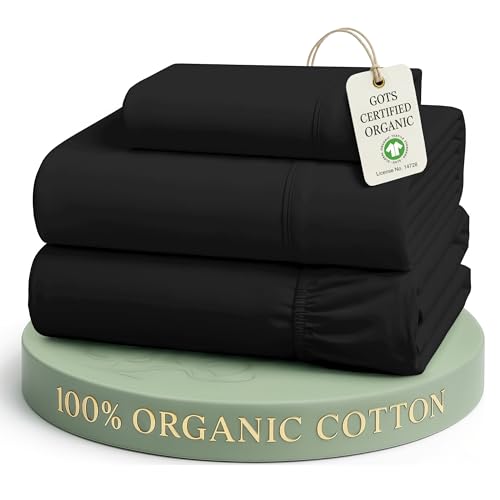
Bare Home Organic Cotton Percale Sheet Set (Twin XL)
~$35-42
- 100% GOTS-certified organic cotton (OEKO-TEX Standard 100 certified)
- Deep pockets, fits 6 to 15 inch mattresses
- Machine washable
- Crisp percale weave, lightweight and breathable
A genuinely GOTS-certified organic cotton percale set at a budget price, backed by a 30-night trial.
Sensitive Skin Pick
OEKO-TEX Certified Organic Cotton Percale Sheet Set, Twin XL (Hypoallergenic)
~$55-75
- OEKO-TEX Standard 100 certified, no chemical finishes
- Dust mite and allergen resistant by default
- Set includes fitted, flat, and two pillowcases
- Machine wash and dry on normal warm cycle
The right step up for students with eczema, allergies, or reactive skin. The absence of chemical fabric finishes is the key difference from standard sheets.
One email a week, for parents doing this right now
The deadlines, checklists, and conversation scripts that actually matter at each stage of the year. Free, and you can unsubscribe anytime.
Looking for the free toolkits? They are on our resources page, no email required.
Mattress Toppers
Dorm mattresses are typically 4-6 inches thick, firmer than most students are used to, and covered in a vinyl or synthetic fire-retardant shell that can feel rough and hot. A mattress topper adds comfort and, more practically, a washable barrier between your student and the institutional mattress beneath.
For organic options, natural latex and organic-cotton-filled toppers are the most common. Avoid toppers with synthetic foam if chemical sensitivity is a concern, though note that many foam toppers carry CertiPUR-US certification (no heavy metals or prohibited substances) as a middle-ground option. One practical note: a 2-inch topper is much easier to pack and ship than a 3-inch, and storage space in most dorm rooms is limited.
Top Pick
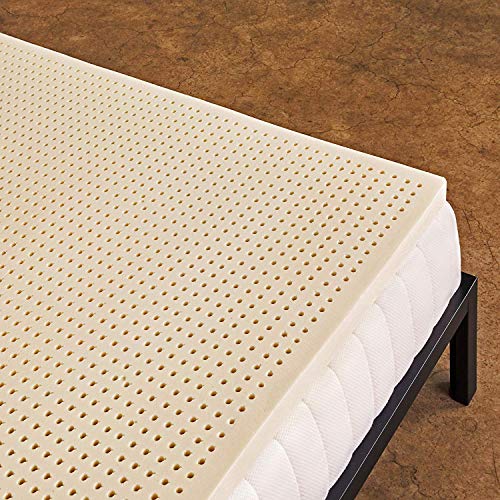
Sleep on Latex Pure Green Natural Latex Topper, Twin XL
~$180-200
- 100% natural Dunlop latex, no synthetic fillers
- Removable organic cotton cover (machine washable)
- Available in soft, medium, and firm
- Naturally resistant to dust mites and mold
Latex toppers run warm for some sleepers. This is the firm version; soft and medium are also available, and medium suits most dorm rooms. The washable organic cotton cover is the key feature here.

Budget Pick
LUCID 2″ Gel Memory Foam Topper with Removable Cover, Twin XL
~$50-70
- CertiPUR-US certified foam (no heavy metals or harmful chemicals)
- Removable zippered cover (machine washable)
- Ventilated gel channels reduce heat retention
- Compresses for easy shipping and end-of-year storage
The foam is CertiPUR-US certified for safety; the cover is polyester, not organic. Best choice when budget is the priority and you want a certified, washable topper without the organic premium.
Silk Pillowcases
A silk pillowcase is not a required dorm item, but it is one of the more popular low-effort upgrades parents add to a care package or move-in kit. Silk is gentler on hair and skin than cotton because it creates less friction against the surface overnight, and it does not pull moisture out of skin or hair the way cotton can. It also works on any pillow the student already owns, so there is nothing new to size or store.
Look for genuine mulberry silk (19 momme or higher) with an OEKO-TEX Standard 100 certification, and confirm it is machine washable before it goes into a shared dorm laundry room.
Upgrade Pick
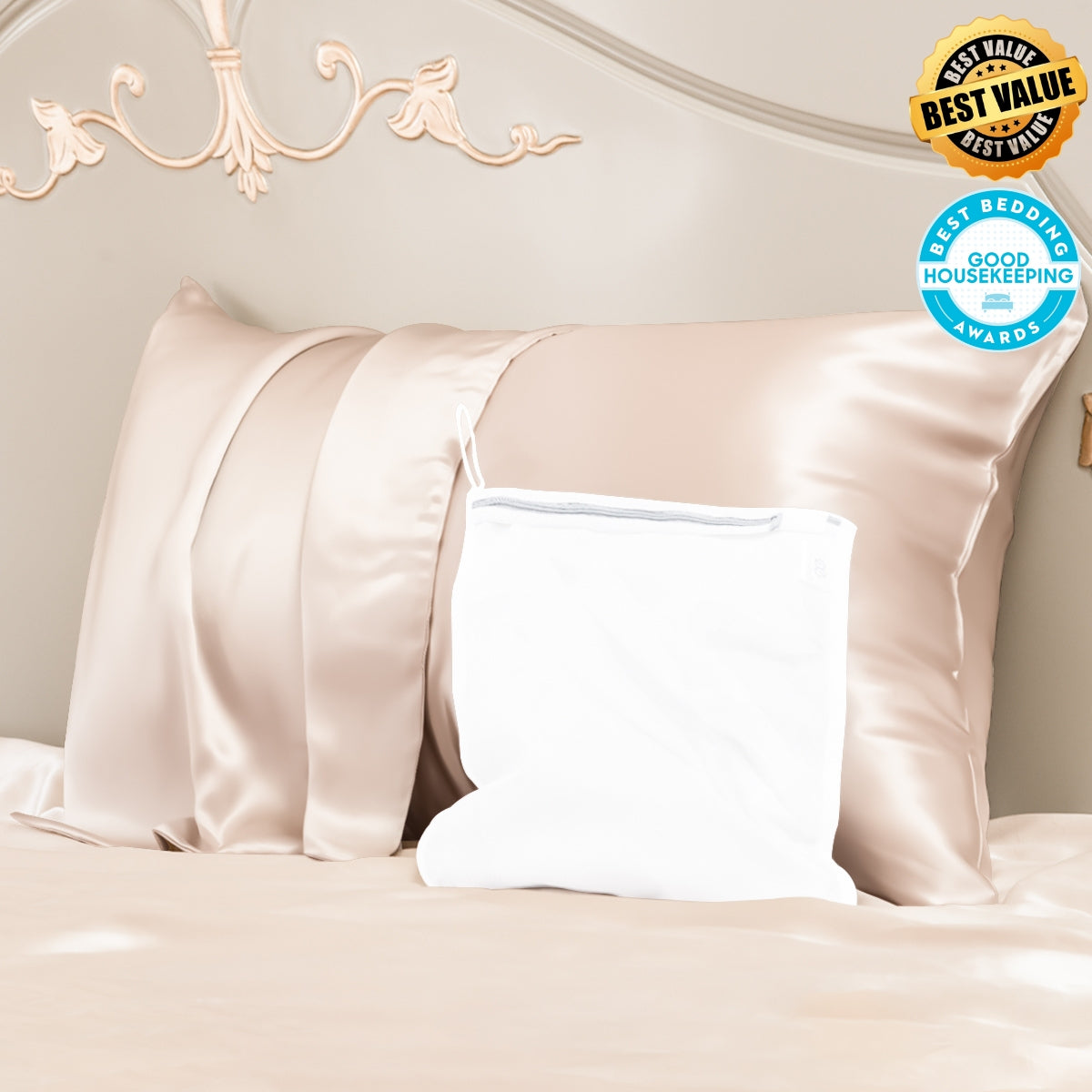
Promeed 23mm Mulberry Silk Pillowcase
~$38-66
- 100% Grade 6A+ mulberry silk, 23 momme weight
- OEKO-TEX Standard 100 certified
- Zipper closure, machine washable with the included laundry bag
- Fits any standard pillow, no dorm-specific sizing needed
Rated a “Best Value” pick by Good Housekeeping and holding a 4.6-star average across more than 2,000 reviews. A nice add-on gift rather than a must-buy.
Weighted Blankets
Weighted blankets have become standard dorm gear for a real reason. Shared spaces, new schedules, and the low-grade ambient stress of freshman year all make falling asleep harder than it was at home. Some research suggests weighted blankets may reduce cortisol and support faster sleep onset, and many students report meaningful sleep improvement.
For dorm use, size matters as much as fill. A 48″ x 72″ throw works better than a full-size weighted blanket on a lofted dorm bed. It is easier to manage, less likely to fall to the floor overnight, and simpler to wash in a standard laundry machine. Organic cotton outer shells are a significant upgrade over polyester, which traps heat, generates static, and pills quickly in commercial dryers.

Top Pick
Sivio Adult Weighted Blanket, 100% Cotton, 15 lb
~$55-65
- OEKO-TEX Standard 100 certified cotton shell (tested for harmful substances)
- Machine washable up to 15 lbs in standard washer
- Glass bead fill (more heat-stable than plastic pellets)
- Available in multiple sizes, from individual to couples’ weights
Weight guide: aim for roughly 10% of body weight. The OEKO-TEX certified cotton shell is what sets Sivio apart at this price. Washes without clumping in a large-capacity machine.

Warm Sleeper Pick
YnM Cooling Weighted Blanket, 100% Bamboo Rayon, 15 lb (48″x72″)
~$45-60
- 100% rayon derived from bamboo outer layer (breathable, no synthetic heat trap)
- Tight weave prevents bead migration between squares
- Machine washable; designed to handle commercial dryers
- Glass bead fill (not plastic pellets)
YnM’s bamboo rayon version is the cooler-feeling option in their range. Good choice for students who run warm or live in dorms without air conditioning.
White Noise Machines
Dorm buildings do not sleep. Roommates keep different hours, hallways echo, and most students are sharing walls with people for the first time. A white noise machine is not an indulgence here. It is infrastructure. Smartphone apps work in a pinch, but they prevent deep sleep because the screen activates with notifications, the battery dies overnight, and the device is not designed to run audio continuously for eight hours.
Two types are worth understanding before you buy. Fan-based machines (like the Marpac Dohm) produce mechanical white noise from actual moving air. They sound natural but have limited sound variety. Digital machines (like the LectroFan) produce looped sound files and offer more frequency options, which tends to work better for masking irregular noise like footsteps, voices, and closing doors.

Best for Dorms
LectroFan Classic White Noise and Fan Sound Machine
~$45-55
- 20 unique non-looping sounds
- 10 fan sounds plus 10 white, pink, and brown noise options
- USB-powered (works from laptop or wall adapter)
- Small footprint, packs easily at semester end
This is the most common recommendation for college students: the variety of frequencies handles irregular noise (doors, voices, footsteps) better than simpler machines. USB power means one less wall outlet required.

Fan Sound Pick
Marpac Dohm Classic Natural Fan Sound Machine
~$40-50
- Mechanical fan (not a recording), no loops or digital artifacts
- Adjustable tone and volume via rotating cap
- Simple single-speed design, nothing to break or reset
- The original white noise machine, sold since 1962
If your student grew up sleeping with a fan, the Marpac replicates that specific texture more accurately than any digital machine. The mechanical consistency is something recordings cannot fully replicate.
Mattress Protectors
A mattress protector is non-negotiable and the most overlooked item on most dorm packing lists. Dorm mattresses are communal property that has been exposed to years of spills, allergens, and dust mite buildup that no amount of cleaning fully removes. A waterproof organic-cotton protector creates a washable barrier, extends the life of your mattress topper, and addresses the allergy concerns most parents have when they first see a campus mattress.
Buy two and rotate. Dorm laundry does not always happen on schedule, and a backup protector in the closet means no bare mattress while waiting for a machine to open up.
Top Pick
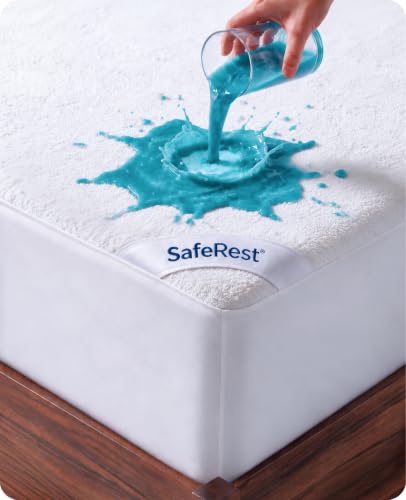
SafeRest Twin XL Premium Organic Cotton Terry Mattress Protector
~$30-45
- 100% organic cotton terry surface (breathable, not plastic-feeling)
- Quiet waterproof membrane beneath
- Machine wash warm, tumble dry low
- Fitted skirt fits mattresses up to 18″ deep
The organic cotton terry surface does not crinkle or feel hot at night, which is the main complaint about cheaper waterproof protectors. SafeRest has been a consistently reviewed brand in this category for several years.

Backup / Budget Pick
Utopia Bedding Bamboo-Derived Waterproof Mattress Protector, Twin XL
~$20-30
- Bamboo-derived rayon cover (naturally cool to the touch)
- Waterproof lining, breathable construction
- Machine wash cold, tumble dry low
- Good second protector while the primary is in the wash
Buy this alongside the SafeRest as your rotation pair. At this price, having a backup ready means your student never sleeps on an unprotected mattress.
What Certifications Actually Mean
Two certifications matter when buying organic bedding. Everything else is marketing language.
Requires at least 70-95% certified organic natural fibers and prohibits harmful processing chemicals at every stage of production. If a product is GOTS-certified, the organic claim has been independently verified through the supply chain.
Guarantees every component (thread, buttons, dyes, fabric finishes) has been tested and confirmed free from harmful levels of toxic substances. Does not require organic fiber, but confirms the finished product is safe against skin.
Products can carry one but not the other. A GOTS-certified sheet is made from organic fiber. An OEKO-TEX certified sheet has been tested for harmful chemicals. The ideal product carries both. If you can only verify one, OEKO-TEX Standard 100 is the more practically meaningful certification for students with skin sensitivities, because it addresses the finished product rather than the sourcing process.
Dorm Laundry Survival Guide for Organic Bedding
Commercial laundry machines run hotter and more aggressively than home washers. These habits protect organic bedding and extend its life considerably.
- Pack two sets of sheets. Dorm laundry gets delayed. A backup set means no bare mattress while waiting for a machine to open up.
- Avoid “Dry Clean Only” entirely. Any comforter or blanket that cannot go in a standard machine washer is wrong for dorm life. Do not buy it.
- Select Low Heat or Delicate on the dryer. Commercial dryers run extremely hot. High heat causes organic cotton and natural fibers to shrink and degrade faster than any other single factor.
- Skip fabric softener on organic cotton. It coats the fibers and reduces breathability over time. A half-cup of white vinegar added to the rinse cycle does the same job without residue.
- Wash the mattress protector monthly. It is the most frequently forgotten item and the one doing the most protective work.
- Use a mesh laundry bag for pillowcases. Reduces friction damage from aggressive agitators in commercial machines.
Natural Stain Removal for Dorm Bedding
Dorm beds double as desks, dining areas, and study spaces. Stains happen. Harsh chemical stain removers can strip organic fibers and trigger sensitivities. These solutions work with natural fabrics without damaging them.
-
Coffee, tea, and juice
Mix 1 tablespoon each of liquid dish soap and white vinegar with 2 cups of warm water. Blot immediately from the outside in (never rub, which pushes liquid deeper into the fibers). Pour the solution over the stain, let it sit 10 minutes, then rinse with cold water before washing on warm.
-
Ink, highlighter, and cosmetics
Place a paper towel under the stained layer of fabric. Dab rubbing alcohol or an alcohol-based hand sanitizer directly onto the mark with a cotton ball. The alcohol transfers the dye onto the paper towel beneath rather than spreading it across the fabric.
-
Sweat and body oil yellowing on pillowcases
Make a paste with 2 parts baking soda and 1 part hydrogen peroxide. Apply directly to yellowed areas, let sit 30 minutes, then machine wash on warm. This lifts the organic buildup without bleaching the fabric or damaging natural fibers.
Fire Safety and Bedding: What Parents Need to Know
Dorm fires spread rapidly because small spaces contain many combustible materials in close proximity. Bedding choices matter, but placement and behavior matter more.
“Fireproof” is not accurate terminology
There is no such thing as fireproof bedding. However, 100% cotton and wool burn more slowly and produce less toxic smoke than synthetic materials like polyester and nylon fleece, which melt and ignite rapidly. Choosing natural fibers is a meaningful risk reduction, not a guarantee of safety.
Placement rules that reduce risk
- Keep all bedding, tapestries, and clothing at least 3 feet from electrical cords, heating vents, and light fixtures.
- Never charge phones, tablets, or laptops under pillows or on bedding. Overheating electronics are a documented ignition risk in residential fires, including campus housing.
- Never hang anything from sprinkler heads or sprinkler pipes. This can activate the system or compromise it.
- Do not cover or tamper with smoke detectors under any circumstances.
Prohibited items in most campus housing
Space heaters, hot plates, candles, and halogen lamps are banned in almost all campus housing. Only use UL-listed power strips with built-in surge protection, plugged directly into wall outlets. Extension cords run under rugs or across walkways are a fire code violation at most institutions.
Mattress condition
Federal standards require dorm mattresses to meet fire flammability requirements. If your student’s assigned mattress is heavily worn, torn, or has visible damage, they should report it to their Resident Advisor or housing office and request a replacement.
Sources: U.S. Fire Administration Campus Safety Flyers (PDF) | NFPA Campus Housing Safety. Always review your specific institution’s housing policies for permitted appliances and room decor.
The Complete Sleep-Well Bundle
| Twin XL Organic Sheets (x2 sets) | ~$70-84 |
| Mattress Topper | ~$50-120 |
| Weighted Blanket | ~$45-90 |
| White Noise Machine | ~$40-55 |
| Mattress Protectors (x2) | ~$50-90 |
| Full bundle estimate | ~$255-439 |
Everything your student needs for better sleep on campus, all in one order. Find the full curated list on our Amazon storefront.
Sources
Affiliate disclosure: This page contains affiliate links. UniversityParent earns a commission from qualifying Amazon purchases at no added cost to you. Product prices listed are estimates and subject to change. Verify current pricing and availability directly on Amazon before purchasing.
Dorm Fire Safety Rules for Bedding
College dorms follow strict fire safety codes (based on NFPA 101 Life Safety Code and local fire marshal rules). Here is what parents and students need to know in 2026:
- Mattress Toppers: Choose ones with natural flame-resistant properties (like wool) or CertiPUR-US certified foam. Avoid highly flammable foam toppers that are not rated.
- Sheets and Blankets: No restrictions on organic cotton, linen, or bamboo bedding when used as intended. Avoid hanging fabrics near heat sources.
- Weighted Blankets: Usually allowed if they are under a certain weight and have no electrical components. Check your specific dorm rules.
- Prohibited Items: Electric blankets, space heaters, and candles are almost universally banned. Highly flammable wall hangings are often limited to 10-20% of wall space.
Pro Tip: Always review your student’s university housing handbook before purchasing. Rules vary by school, California and New York dorms often have stricter flammability requirements than others.
FAQ: Organic Dorm Bedding for College Students
What size bedding do I need for a college dorm bed?
Most college dorms use Twin XL mattresses (39″ x 80″). Always buy Twin XL sheets, mattress toppers, and protectors. Standard Twin sizes will be too short. Confirm the exact size with your student’s university housing office, as a few schools still use regular Twins.
Are organic sheets worth the extra cost for dorms?
Yes. Organic and GOTS-certified sheets are free from harmful chemicals, pesticides, and synthetic treatments. They hold up well to frequent dorm laundry and are better for sensitive skin and allergies, important in a shared environment with close quarters.
What is the difference between GOTS and OEKO-TEX certifications?
GOTS (Global Organic Textile Standard) certifies the entire supply chain for organic fibers and strict environmental standards. OEKO-TEX ensures the final product is tested for harmful substances. Look for both when possible for the safest, most sustainable options.
Do I need deep pocket sheets for a dorm mattress?
Usually not. Most dorm mattresses are 6-8 inches, so standard 8-12″ pocket depth Twin XL sheets work best. Deep-pocket sheets (15″+) can be too loose and bunch up during the night.
What is the best organic material for dorm sheets, cotton, linen, or bamboo?
100% organic cotton (especially percale weave) is the top choice for most students. It is breathable, durable in commercial washers and dryers, and gets softer with each washing. Linen is great for hot climates, while bamboo/Tencel feels silky and moisture-wicking.
How do I keep organic bedding clean in a dorm?
Choose machine-washable items rated for cold water with gentle detergent. Use a mattress protector to guard against spills. Wash sheets weekly and rotate the mattress topper seasonally. Look for bedding labeled “commercial washer safe” for maximum durability across all four years.
Are organic mattress toppers necessary for dorm beds?
Highly recommended. Dorm mattresses are often old and uncomfortable. A natural latex or organic wool/cotton topper adds cushioning and temperature regulation without synthetic foams, and protects the mattress from spills and allergens over time.
Can a student use a weighted blanket in a dorm?
Yes, in most cases. Choose one that is Twin XL sized or smaller and under 15-20 lbs for easier handling in a small space. Look for organic cotton or bamboo covers with glass beads. Check dorm rules, as some schools restrict heavy bedding for fire safety reasons.
How long does organic dorm bedding typically last?
High-quality GOTS-certified sheets and toppers last 3-5 years or more with proper care. They hold up well to frequent college washing if you avoid high-heat dryers and harsh chemicals. Many students use the same set all four years.
Do organic dorm bedding items meet fire safety regulations?
Most high-quality organic sheets and toppers comply with federal standards when used as intended. Look for natural materials like wool (naturally flame-resistant) or items with OEKO-TEX or GOTS certifications. Avoid adding unapproved flame-retardant chemicals yourself, as this can void certifications.
Are weighted blankets allowed in college dorms?
Yes, in most cases. Weighted blankets are a popular safe alternative to prohibited space heaters. Choose a Twin XL size with an organic cotton cover and confirm with your student’s specific dorm rules, as some schools limit weight or restrict certain fillings.
What should I avoid when choosing dorm bedding for fire safety?
Avoid electric blankets, excessive synthetic-filled comforters near heat sources, and hanging too many fabric items from walls or ceilings. Keep all bedding away from outlets, extension cords, and sprinkler heads, sprinkler clearance is typically 18 inches from the ceiling.