

Dorm Kitchen Essentials (2026): What Actually Gets Used
Dorm and Packing
The first week of college, your student will eat every meal at the dining hall and feel absolutely fine about it. By week four, they will be standing in their room at 10:47 p.m., staring at a bag of pretzels and wishing they could heat up something, anything, that isn’t a dining hall entree.
A small dorm kitchen setup won’t turn them into a chef. It will, however, mean they can make oatmeal before an 8 a.m. class, keep real food in their room instead of just snacks, and save meaningful money by not ordering delivery every time the dining hall closes early. Here’s what’s actually worth buying, what’s actually allowed in most dorms, and what’s going to sit unused under the bed.
One email a week, for parents doing this right now
The deadlines, checklists, and conversation scripts that actually matter at each stage of the year. Free, and you can unsubscribe anytime.
Looking for the free toolkits? They are on our resources page, no email required.
What’s Actually Allowed in Dorm Rooms?
This is the question worth answering before anything goes in the cart. Appliance policies vary significantly from school to school, and even from hall to hall on the same campus. The rules that apply at one university may not apply at another, and the housing handbook is the only definitive source.
That said, there’s a general pattern that holds across most residential universities:
| Appliance | Typical Policy | Notes |
|---|---|---|
| Mini fridge (under 4.5 cu ft) | Usually allowed | Many schools rent fridges directly. Check if your hall provides one or if there’s a rental program before buying. See the dorm mini-fridge rules by college. |
| Microwave (under 900 watts) | Usually allowed | Some dorms provide community microwaves on each floor. Confirm before packing one. |
| Electric kettle | Usually allowed | Auto shut-off is sometimes required. Kettles are among the least restricted appliances. |
| Coffee maker (drip or pod) | Usually allowed | Machines with exposed heating elements can be flagged. Pod-based machines like the K-Mini are almost universally fine. |
| Instant Pot / electric pressure cooker | Check first | Most halls allow them because they don’t have open heating elements. Confirm with housing before assuming. |
| Hot plate / electric burner | Usually prohibited | Open heating elements are a fire hazard in most housing codes. Avoid. |
| Toaster / toaster oven | Usually prohibited | Open heating elements. Some schools allow toaster ovens in designated kitchen areas only. |
| Air fryer | Varies widely | Newer policies are mixed. Some schools explicitly allow them; others ban them under the toaster oven rule. Check before buying. |
The Mini Fridge: Worth Every Square Foot
A mini fridge is the single highest-impact item on this list. Once your student has one, they have a place to keep yogurt, leftovers from a weekend dinner, produce that won’t survive a week on a shelf, and the good drinks they don’t want to share with their hall floor. It also cuts down significantly on food delivery orders just because “there’s nothing to eat.”
The sweet spot is 3.1 to 3.5 cubic feet. Smaller than that and you’re back to Tetris-packing every time they buy groceries. Larger than that and you’re fighting for floor space in a 150-square-foot room. Most schools cap at 4.5 cubic feet, so anything in the 3-to-4 range is both policy-compliant and genuinely useful.

Best Overall
Midea 3.1 Cu. Ft. Double Door Mini Fridge with Freezer
Around $230-250
One of the most recommended dorm fridges for good reason: removable glass shelves, a small freezer compartment for ice packs and frozen meals, and a reversible door hinge that works in tight dorm layouts. Energy Star certified so it won’t spike their electricity bill.
Comparing more than one option? Our full guide to the best mini fridges for a dorm room covers sizing, noise levels, and price points across more brands than we cover here.
The Microwave: Non-Negotiable
If the dorm room doesn’t come with one and the hall doesn’t have a community microwave, this is the first thing on the list. Oatmeal, soup, leftover dining hall takeout containers, frozen burritos, ramen that isn’t just hot water in a cup: a microwave makes all of it possible at 11 p.m. without leaving the building.
For a dorm, you want something under 900 watts (almost always the wattage ceiling in housing policies), under 0.9 cubic feet in interior capacity, and small enough to sit on a shelf without blocking half the desk. The Toshiba compact models hit all three.

Top Pick
Toshiba 0.9 Cu. Ft. Compact Microwave
Around $75-95
900 watts, mute button (genuinely underrated in a shared room at midnight), ECO mode, and a solid control panel that doesn’t require a manual to operate. The 0.9 cubic foot interior fits a standard dinner plate. Stainless exterior doesn’t show fingerprints.
Kettle and Coffee Maker: The Morning Survival Kit
An electric kettle is, without question, the most versatile thing on this list. It boils water in three minutes for instant oatmeal, ramen, pour-over coffee, tea, instant miso soup, and anything else that requires hot water and nothing else. It’s allowed in nearly every dorm, it takes up almost no space, and it will get used every single morning.
If your student is a coffee person, a pod-based coffee maker like the Keurig K-Mini takes care of that without the complexity of a full drip machine. The two items together cover almost every caffeination and hot-food scenario your student will encounter on a weekday morning when they have eight minutes before class.
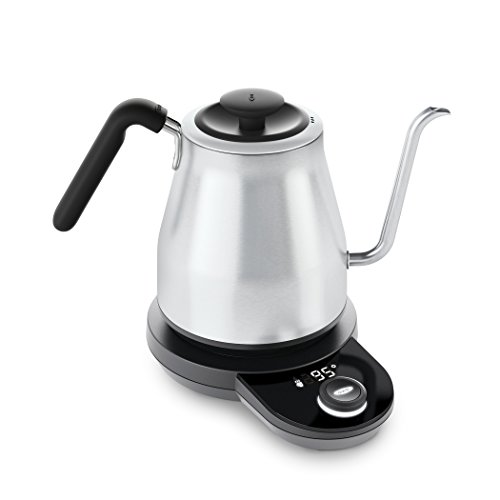
Best Kettle
OXO Brew Adjustable Temperature Electric Pour-Over Kettle
Around $70-90
Variable temperature control (from 140 to 212 degrees Fahrenheit) so it works for green tea and pour-over coffee, not just boiling for ramen. Precise gooseneck spout. Auto shut-off and keep-warm mode mean your student can start it, forget about it for five minutes, and still have hot water. Polished enough to not look like a dorm appliance.

Best Coffee Maker
Keurig K-Mini Single Serve Coffee Maker
Around $60-80
Six inches wide, so it fits on even a cramped desk corner. Brews directly into any travel mug up to 7 inches tall, which matters when your student doesn’t have time to clean a separate cup. Compatible with all K-Cup pods and reusable pods for non-pod coffee. No water reservoir to clean, just fill the top before each brew.
Keep Reading
The Instant Pot Mini: One Pot, Twelve Meals
This one surprises parents. An Instant Pot in a dorm room sounds ambitious. In practice, it becomes the most-used appliance in the room within a month, because it does things no other allowed appliance can do: cook actual rice, make pasta, steam vegetables, slow-cook soup, make hard-boiled eggs in bulk, and produce something resembling a real meal from raw ingredients without a stove.
The 3-quart “mini” version is sized for one to two people and fits on a standard dorm shelf. The key advantage over a full-size Instant Pot is that it doesn’t require much counter space, and the portions it makes are appropriate for a single student who isn’t trying to meal prep for a family of four.
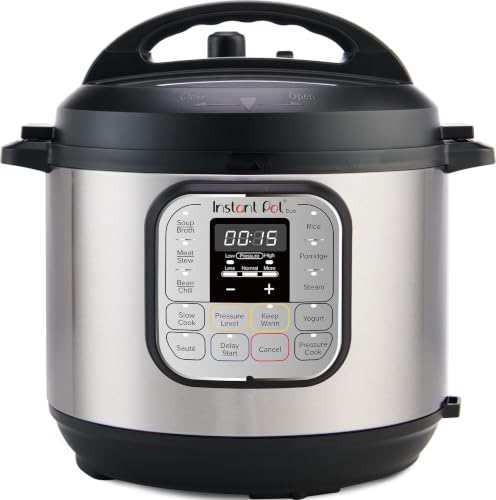
Best for Dorms
Instant Pot Duo 3-Quart Mini, 7-in-1
Around $60-80
Pressure cooker, slow cooker, rice cooker, steamer, saute pan, yogurt maker, and warmer in one sealed pot. The sealed design means it doesn’t have an open heating element, so it’s allowed in most dorms that restrict hot plates. Makes one to two servings of rice, soup, pasta, or protein in under 20 minutes with almost no monitoring required.
Things a 3-Qt. Instant Pot can actually make in a dorm
- White or brown rice (perfectly, every time)
- Pasta with jarred sauce (add water, pasta, and sauce together, pressure cook)
- Canned soup or chili heated and held warm for hours
- Hard-boiled eggs (6-8 at a time, peeled easily)
- Oatmeal, steel-cut or rolled
- Ramen with actual broth (not just packet water)
- Steamed broccoli, carrots, or frozen vegetables
- Pulled chicken from frozen (start it before class, ready when back)
Prep Tools and Utensils: The Supporting Cast
None of the above appliances work well without the right small tools. The good news is that this category is cheap, lightweight, and often overlooked at move-in, which means it’s a great area to fill a gap in the packing list.

Essential
OXO Good Grips Soft-Handled Can Opener
Around $12-16
Canned beans, soup, tomatoes, and tuna are the backbone of cheap, protein-rich dorm cooking. This can opener cuts cleanly, doesn’t leave sharp edges on the lid, and the soft grip handle makes it usable even when your student is half awake at dinner. One of those purchases that costs almost nothing and gets used constantly.

Essential
OXO Good Grips Utility Cutting Board
Around $15-20
Cutting boards get used for everything in a dorm, not just cutting: spreading, slicing fruit, prepping cheese and crackers, and as a flat surface under anything messy. The OXO small board has non-slip feet so it doesn’t slide on a desk surface, and it fits in a drawer or stands upright against a shelf. Dishwasher-safe for hall kitchen use.
Don’t forget the basics
Beyond the items above, send them with a few things that get overlooked in the excitement of appliances: a basic set of plates and bowls (lightweight, unbreakable), a fork, knife, spoon, and a decent spatula or spoon for the Instant Pot. A simple reusable plate-and-bowl set in a neutral color is less fragile than ceramics and takes up a quarter of the space. Check Amazon for “dorm plate and bowl set” or “college dishware set” to find affordable 4-piece or 6-piece options under $25. And a 30-ounce insulated tumbler with a lid, for coffee, water, or iced tea, is one of the most used items in any dorm room through all four years.

Worth It
Stanley Quencher H2.0 Tumbler, 30 oz.
Around $35-45
Keeps cold drinks cold for 9+ hours and hot drinks hot for several hours. Fits most standard car cup holders. Dishwasher-safe lid. Your student will use this every single day for all four years, which makes it one of the best cost-per-use purchases on this entire list. The handle makes it dorm-friendly in a way that sleeker tumblers aren’t.
Food Storage, Organization, and Cleanup
This is the category that makes or breaks the whole setup. A dorm room shelf full of open bags and leaking containers is a mess within two weeks. The right food storage containers and a shelf organizer turn a chaotic pile into something your student will actually maintain, because it’s easy to maintain.

Best Containers
Rubbermaid Brilliance Food Storage Set, 10-Piece
Around $30-40
Crystal-clear lids so your student can see what’s in each container without opening it. Leak-proof latches mean leftovers survive the walk from the common kitchen back to the room without incident. Microwave and dishwasher safe. The set includes a mix of sizes that work for everything from Instant Pot leftovers to half an avocado.

Shelf Organizer
Copco Non-Skid Lazy Susan Turntable, 12-inch
Around $12-18
Spinning shelf organizers are the sleeper item on this list. In a dorm, where shelf depth is often shallow and items get stacked in front of each other, a lazy susan means your student can spin to find the snack they want without pulling everything out. Works on a desk corner, on a shelf, or on top of the mini fridge. Underrated for the price.

Compact Cleanup
OXO Good Grips Foldaway Dish Rack
Around $25-35
Folds completely flat when not in use, which matters enormously in a dorm. When open, it holds plates, bowls, the Instant Pot lid, and a few utensils without taking over a whole surface. The convertible design means it works as both a dish rack and a drying mat depending on what fits best in the room. A dish rack sounds boring until you realize every other option is a pile of damp things.
Dorm Cooking Safety: The Short Version
College students cooking in small spaces without much supervision is a real fire risk, and most campus kitchen fires are caused by exactly the things that are on this list. That’s not a reason to skip the setup. It’s a reason to have a direct conversation about it before move-in.
- Never leave cooking unattended. An Instant Pot on a timer while they’re in class is different from walking away from something that’s actively heating. Know the difference.
- Keep the microwave clean. Splatter buildup is a real fire risk. A microwave cover costs $5 and eliminates most of it. Remind them to wipe it out once a week.
- Don’t block the smoke detector. It sounds obvious. It happens. No covering it, no aiming a fan at it because something smells. If the smoke alarm goes off while cooking, open the window and door, don’t disable it.
- Know where the fire extinguisher is. Every residential floor has one. Your student should know its location before they need it, not while looking for it.
- Follow the housing rules. Banned appliances are banned for fire code reasons, not arbitrary reasons. Getting caught with a prohibited appliance can mean a fine, confiscation, or a conduct record. It’s not worth it.
FAQ
Do most college dorms allow mini fridges and microwaves?
Yes, the majority of residential universities allow both, though they may have wattage or size restrictions (typically 900 watts or less for microwaves, under 4.5 cubic feet for fridges). Some dorms provide them in the room or on each floor, which means you’d be duplicating equipment. Check your student’s specific housing handbook or email the housing office before purchasing. The answer will take five minutes to get and could save you $150 in appliances you didn’t need.
Is the Instant Pot really worth it for a college student who doesn’t cook much?
Probably yes, precisely because they don’t cook much. The Instant Pot’s value in a dorm is that it requires almost no skill or monitoring. You add ingredients, seal the lid, press a button, and walk away. Rice, hard-boiled eggs, canned soup, and pasta are all achievable without any prior cooking experience. Students who say they “don’t cook” often end up using it more than students who do, because it removes the part of cooking that requires skill and attention. The 3-quart size is the right one for a single student.
What’s actually worth prioritizing if there’s a budget limit?
In order: mini fridge, microwave, electric kettle. Those three together cost roughly $270-350 total and cover the most daily use cases. The kettle especially is cheap enough to always include. The Instant Pot comes next if the budget allows, because it expands what’s possible significantly. The prep tools and storage items (can opener, cutting board, containers, dish rack) are inexpensive enough to add to any budget and make the rest of the setup actually functional. If you have to choose between a nicer appliance and better food storage containers, get the containers. A leaking fridge full of unlabeled mystery leftovers will get abandoned within a month.
Related: Easy dorm meals and dorm food ideas, no kitchen required
Get the Full Dorm Packing List
Our free Packing List Generator builds a customized list for your student’s specific school, dorm type, and climate, with everything from bedding to bathroom supplies to the small things that always get forgotten.
Have a dorm cooking win to share, or something that flopped harder than expected? We’d love to hear what’s actually worked in your student’s room. Join our free parent community to share notes with parents who are in the same stage.
Not sure what else to pack?
Use our free Packing List Generator to build a custom list for your student’s specific school, with appliance rules, climate, and room type built in.
What to Read Next
UniversityParent Team